From the author
I Used to Say Yes When I Meant No
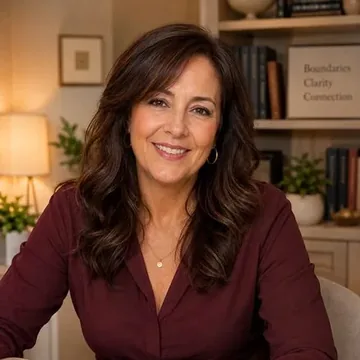
My name is Mardell.
I used to say yes when I meant no. Not because I wanted to, but because I was terrified of what saying no would make me look like.
For years, I was the girlfriend who apologized for having needs. I'd agree to plans I didn't want, then seethe in silence. I'd try to voice a boundary, but it came out as a paragraph of justification — "I'm so sorry, I know this is weird, but maybe if…" — and by the end, I felt smaller, not clearer.
The turning point came on a Tuesday night. My partner asked if I could cover his shift at his side hustle. I was exhausted. I said yes anyway. Later, I cried in the shower, resentful at him and ashamed of myself. I realized: my problem wasn't that I didn't know I should set boundaries. It was that every script I'd tried made me feel like the villain — controlling, cold, selfish.
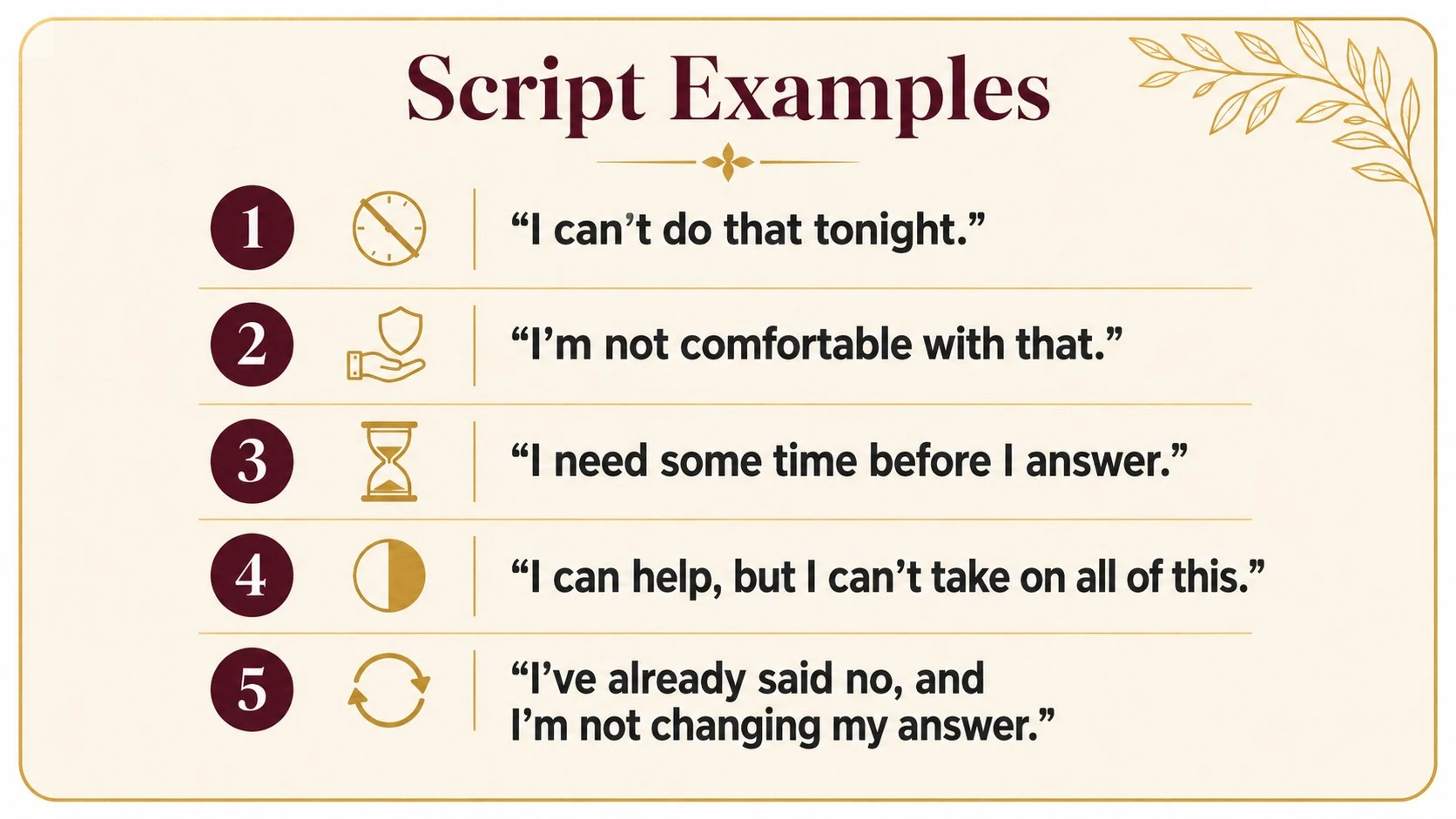
So I stopped looking for generic advice and started testing language that actually worked in real conversations. Not "just say no," but phrases that held my ground without starting a fight. I learned to lead with warmth, name my limit clearly, and skip the over-explaining. The first time I tried it, my hands shook. But my partner didn't push back. He just said, "Okay, thanks for telling me."
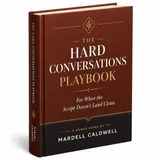
That moment became the foundation of The Boundary Script Method. It's not about being assertive for the sake of it. It's about having words that let you honor yourself without losing connection.
I'm not a therapist. I'm someone who hated the person I became when I couldn't say no — and found a way out that didn't blow up my relationship. If you're tired of the guilt hangover, this is for you.